Published 2 minute read
How to care for gold-plated silver
Most of our jewellery is gold-plated 925 silver. A few simple habits keep the gold layer bright for longer: what wears it, what protects it, and what to do when it thins.

Gold-plated 925 silver is two metals working together. Underneath is solid sterling silver, 92.5% pure; on top is a thin layer of gold, which gives the piece its warm colour. The silver gives it strength and weight; the gold gives it its look. Looking after a plated piece means looking after that thin top layer.
What wears it. Plating thins slowly wherever a piece rubs: the inside of a ring against the palm, a bracelet on a desk, the clasp at the back of the neck. Chemicals speed this up: perfume, hairspray, sun cream, chlorine in pools, salt water and household cleaners all attack the surface. Sweat is mildly acidic and, over time, does the same.
Put it on last. Get dressed, do your hair, put on your perfume and make-up, and let your skin cream sink in. Only then put on your jewellery. A minute’s wait is the single easiest thing you can do for the plating.
Take it off first. Before a shower, a swim, the gym, the washing-up or the cleaning, take off your rings and bracelets. Earrings and necklaces worn day to day can stay on through an ordinary day, but not into the sea or the pool.
Wipe it, don’t polish it. After wearing, wipe each piece with a soft, dry cloth (a glasses cloth works well) to remove the oils from your skin. Never use a silver-polishing cloth, toothpaste or a dip cleaner on gold-plated pieces: they are made to remove a surface layer, and on plated jewellery the surface layer is the gold.
Store it apart. Keep each piece in its own pouch or compartment, away from air and damp. In a shared box chains tangle and stones scratch one another; a closed pouch also slows the tarnishing of the silver underneath.
Plain silver and white gold. Our plain 925 silver pieces need the opposite of the plated ones: a silver cloth is exactly right for them, and a little tarnish polishes away. Our 14k white gold is the most resilient of the three metals; a wash in lukewarm water with a drop of mild soap keeps it bright.
When the gold wears thin. With daily wear, plating eventually thins at the points of most friction, and a paler, silvery tone begins to show. That is how plating ages, and the piece is not finished: it can be cleaned and plated again. [PLACEHOLDER: the shop’s re-plating service, price and turnaround.]
In short: on last, off first; wipe, don’t polish; one pouch for each piece; no pool, no sea and no perfume on the metal. Look after it this way and a plated piece stays bright for a long time.
Pieces in this article
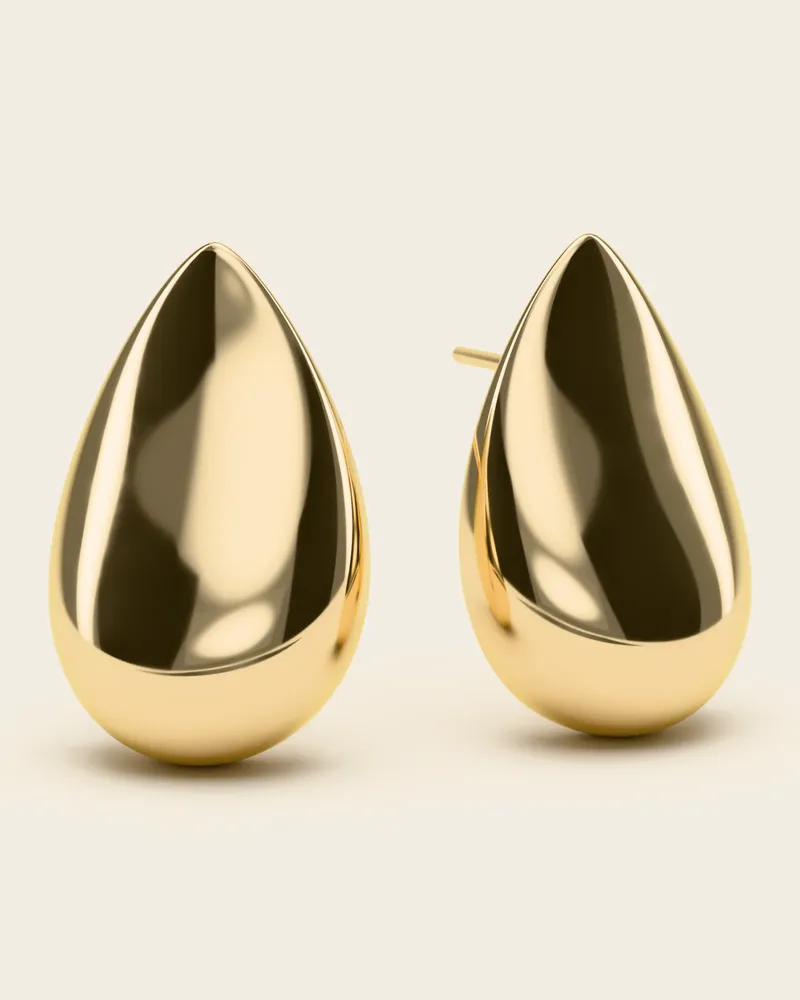
Aoos Dome Drops
Gold-plated 925 silver · and 1 more finish
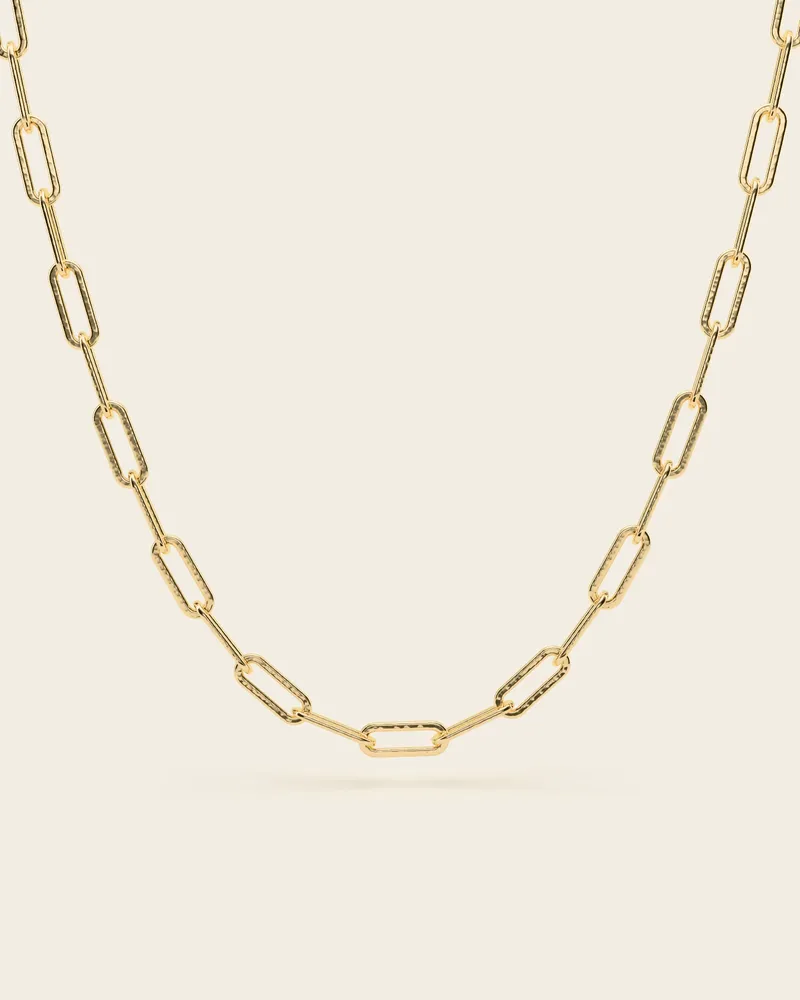
from €49Kalderimi Hammered Chain
Gold-plated 925 silver · and 1 more finish
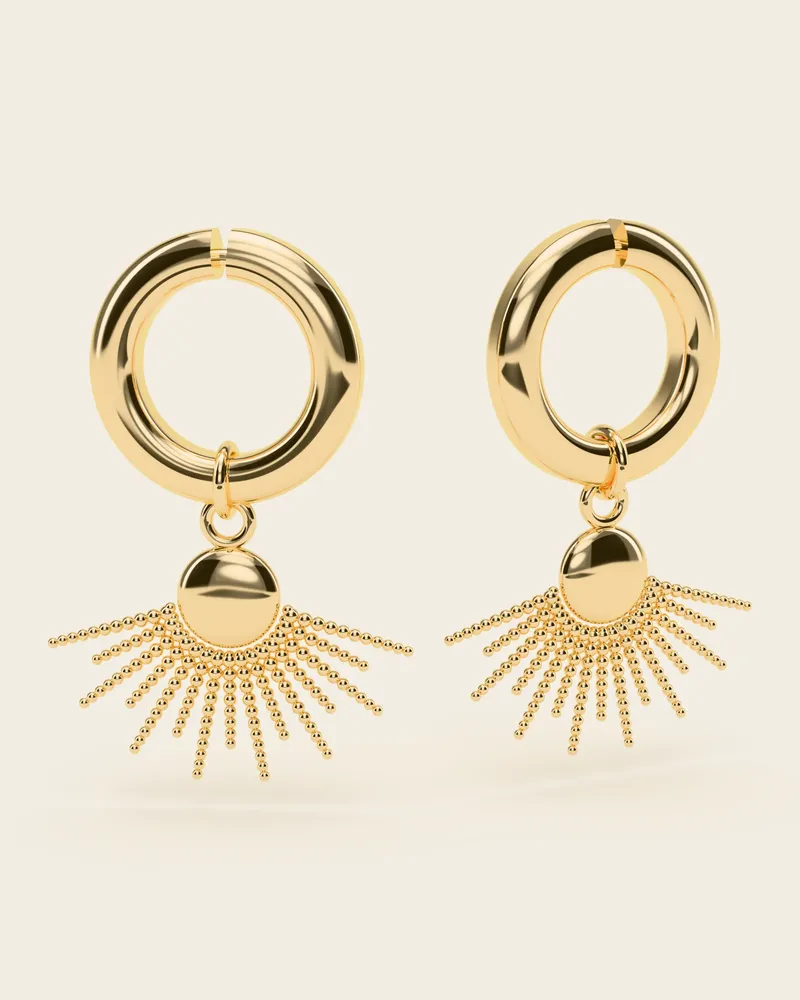
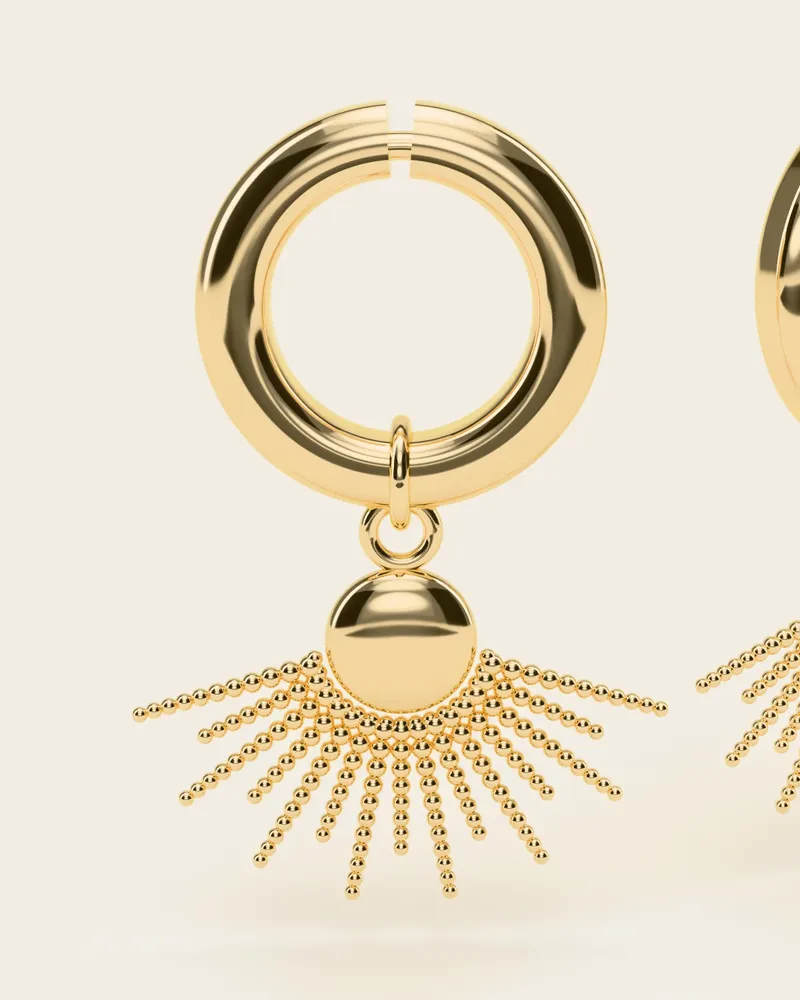
from €89Ilios Sunburst Huggies
Gold-plated 925 silver · and 1 more finish
from €36





Read next
2 minute read
Finding your ring size
European ring sizes are simply millimetres. Three ways to find yours at home, why the time of day matters, and what to do about a wide band or an open ring.
2 minute read
Layering necklaces and huggies
Two or three necklaces at different lengths, a huggie in a second piercing, one bold piece and a few quiet ones: a short guide to wearing several pieces together, the way we photograph them.
3 minute read
At the bench: shaping, soldering, polishing, plating
What happens to a piece of silver between the bench and your hand: the main steps of making jewellery, explained simply, from the first cut of metal to the final layer of gold.